


Quick Links
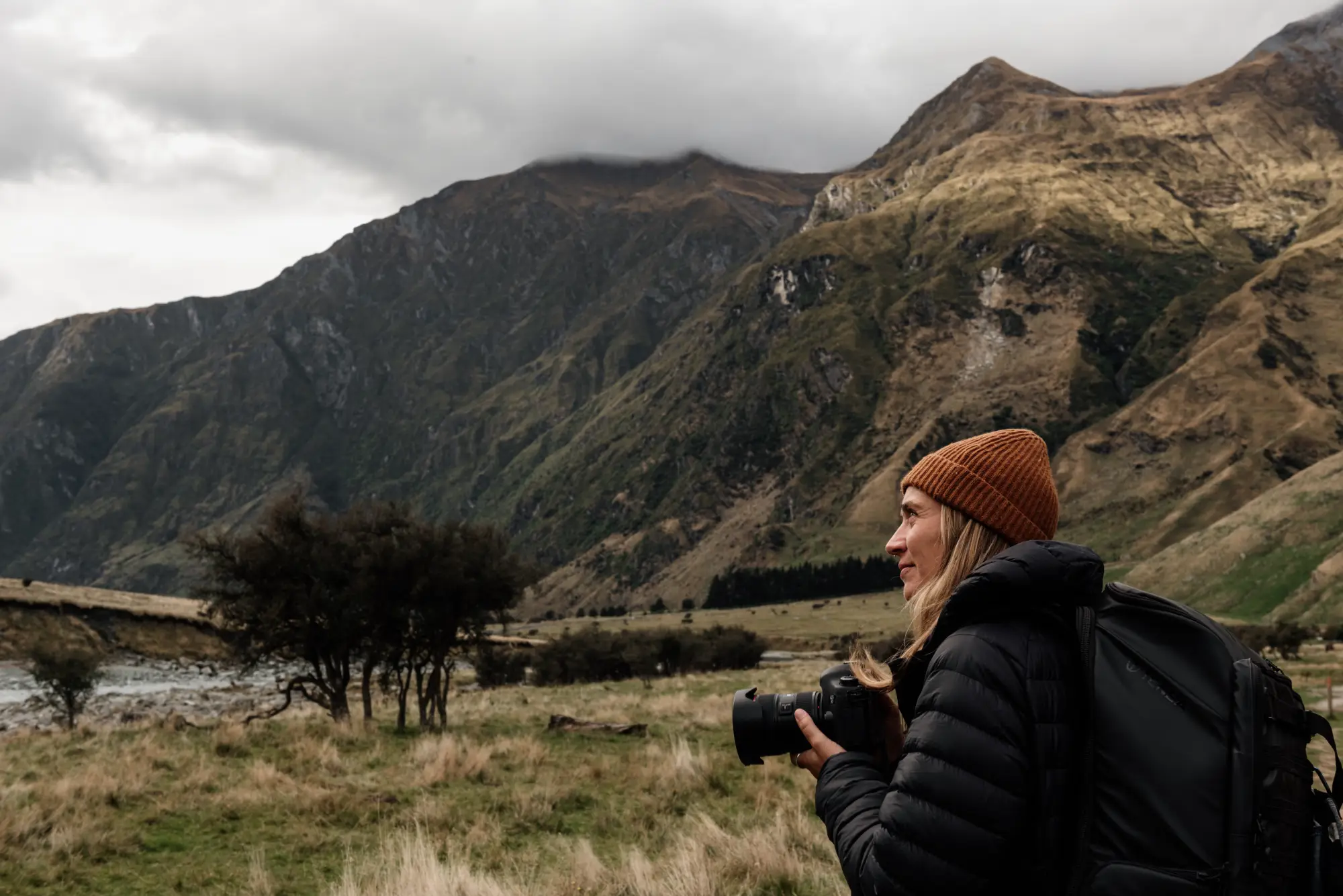
Wānaka is a safe and welcoming place to visit. It is also a gateway to lakes, rivers and remote alpine country, where weather and conditions can change quickly. A little planning will help you explore the region safely and confidently.
For an emergency requiring Police, Fire or Ambulance, call 111. Calls are free. For non-urgent Police matters, call 105 or report the matter online.
Keep your phone charged and follow any Emergency Mobile Alerts or instructions from local authorities. Visit Otago Civil Defence and Emergency Management for local emergency information.
The formed Brewster Track ends at Brewster Hut. There is no marked track from the hut to Mount Armstrong or Brewster Glacier. Travel beyond the hut is through untracked alpine terrain and requires appropriate navigation skills, experience and equipment.
The glacier face and ice caves are unstable, and falling ice can travel farther than expected. Stay well back and do not enter or approach ice caves. The track also crosses the unbridged Haast River, which can rise quickly. Do not attempt the track when the river is high or when heavy rain is forecast.
Check the current DOC Brewster Track information before leaving.
Wānaka is a gateway to Tititea / Mount Aspiring National Park and some of New Zealand’s most rewarding – and remote – alpine country. Tracks can include steep terrain, river crossings, rapidly changing weather and areas with limited mobile coverage.
Before setting out:
For remote trips, carry a personal locator beacon and do not rely solely on mobile phone coverage.
Use Plan My Walk to find track information, alerts, forecasts and trip-planning guidance. You can also check DOC track alerts or seek local advice from the Wānaka isite Visitor Centre and Tititea / Mount Aspiring National Park Visitor Centre.
Wānaka offers a wide range of skiing and adventure activities. Choose an established operator, follow all safety briefings and let your guide know about any medical conditions or concerns that could affect your activity. Registered adventure activity operators must undergo an independent safety audit and can be checked on the WorkSafe public register.
When skiing or snowboarding, follow the Snow Responsibility Code, signs, closures and instructions from ski area staff. Travel beyond managed ski areas requires avalanche knowledge, equipment and experience. Check the current Wānaka avalanche advisory before entering backcountry terrain.
Conditions on Lake Wānaka and Lake Hāwea and the region’s rivers can change quickly with the weather. It’s a legal requirement to wear a properly fitted lifejacket when boating, kayaking or paddleboarding. Parents and caregivers should supervise children closely. Always follow local signs and instructions.
Lake Wānaka, Lake Hāwea, Lake Whakatipu, and other lakes in the region are alpine lakes and can remain very cold year-round, even on warm days. Cold water can quickly affect breathing and swimming ability, so enter the water with care. River mouths can also be particularly hazardous and should be avoided.
If you are unsure about the conditions or your ability, stay out of the water. Read the New Zealand Water Safety Code and visit the QLDC Harbourmaster page for local boating information.
Dry vegetation, high temperatures and strong winds can increase the risk of wildfire. Mount Iron has a total fire ban and may occasionally close during extreme conditions.
Do not light fires or undertake activities that could create sparks in restricted areas. Check the current reserve status on the QLDC wildfire page and national fire restrictions at Check It’s Alright. If you see smoke or fire, move to a safe location and call 111.
Drive on the left-hand side of the road and allow more time than the distance might suggest. Routes around Wānaka can be narrow, steep and winding, including the Crown Range, Cardrona Valley, ski area access roads, Haast Pass and Lindis Pass.
In winter, carry snow chains that fit your vehicle and know how to use them. Fit chains whenever signs, road crews or authorities instruct you to do so. Motorists can be fined $750 if they fail to fit chains when instructed. Four-wheel drive does not remove the risk posed by snow and ice.
Before travelling, check:
• QLDC winter road reports
• NZTA highway conditions
• MetService Wānaka weather
Visitors continuing to the West Coast or Piopiotahi Milford Sound should check conditions for the full journey before departing.
During an earthquake, Drop, Cover and Hold. If you are indoors, remain inside until the shaking stops. If you are outdoors, move away from buildings, trees and power lines before dropping, covering and holding.
Wānaka is inland, but visitors travelling to the West Coast, Fiordland or other coastal areas should know the local tsunami evacuation zones. If an earthquake is long – lasting more than a minute – or strong enough to make standing difficult, move to high ground or as far inland as possible as soon as the shaking stops: Long or Strong, Get Gone.
Piopiotahi Milford Sound also has a rare local tsunami risk from large landslides entering the fiord. If you feel a long or strong earthquake, see a large landslide enter the water or notice unusual water movement, move away from the shoreline and waterways, seek higher ground and follow instructions from local staff.
Read the national guidance for earthquakes and tsunami, or learn more about emergency planning for Piopiotahi Milford Sound.
Always check current conditions at Wānaka App Crown Range reports or QLDC Winter Road Reports before travelling.
When you reach Wānaka, you feel it. The pace shifts, the mountains settle around you, and the lake feels like a greeting. Driving here is not just a way to arrive. It is part of what makes Wānaka special.


